
Meet The Authors of The Sociable Cat!
We're all massive animal lovers here at Bookmarked Hub - so it's no surprised that we can't wait for The Sociable Cat to finally come out! Bursting with amazing advice, genuine expertise and useful tips for a harmonious household, this book is a staple for anybody with a feline friend.
Ahead of this fantastic release, we sat down with authors Melissa Fallon and Becky Macfarlane to learn all about the experiences that went into the book, their top tips and where they see the future of feline training going...
Tell us a little bit about yourself?
Melissa - I have four children, four cats and recently got our pooch, Missy. My specialism is linked to clinical behaviour in dogs and cats and I have worked in academia, teaching in this specialist area. All of my cats and dogs have been rescue animals, and I am keen on assisting others in creating safe and harmonious relationships within their households.
Becky - I have five children, two cats , a dog and a fish tank housing various tropical fish. My specialism is linked to welfare and I have also worked in academia, both as a college and undergraduate lecturer within this specialism. I am also a Trustee for a local feline charity which I have been part of for many years, pre and post charity status. My interests lie in ensuring positive welfare for all cats, but particularly those within rescue, educating owners and creating positive new relationships and harmonious households.
Tell us a bit about The Sociable Cat?
The sociable cat is a practical guide to help people create harmonious blended households and assist their cats in becoming more resilient and adaptable to changes within the household. This book is written for existing owners, new owners and rescuers alike, to support and guide individuals through the introduction of cats to other members of the household, whether they are other cats, dogs, babies or children. The aim is focused on creating positive relationships within the household and improving the welfare of cats by reducing overall stress and nervousness.
What is your favourite chapter of the book, and why?
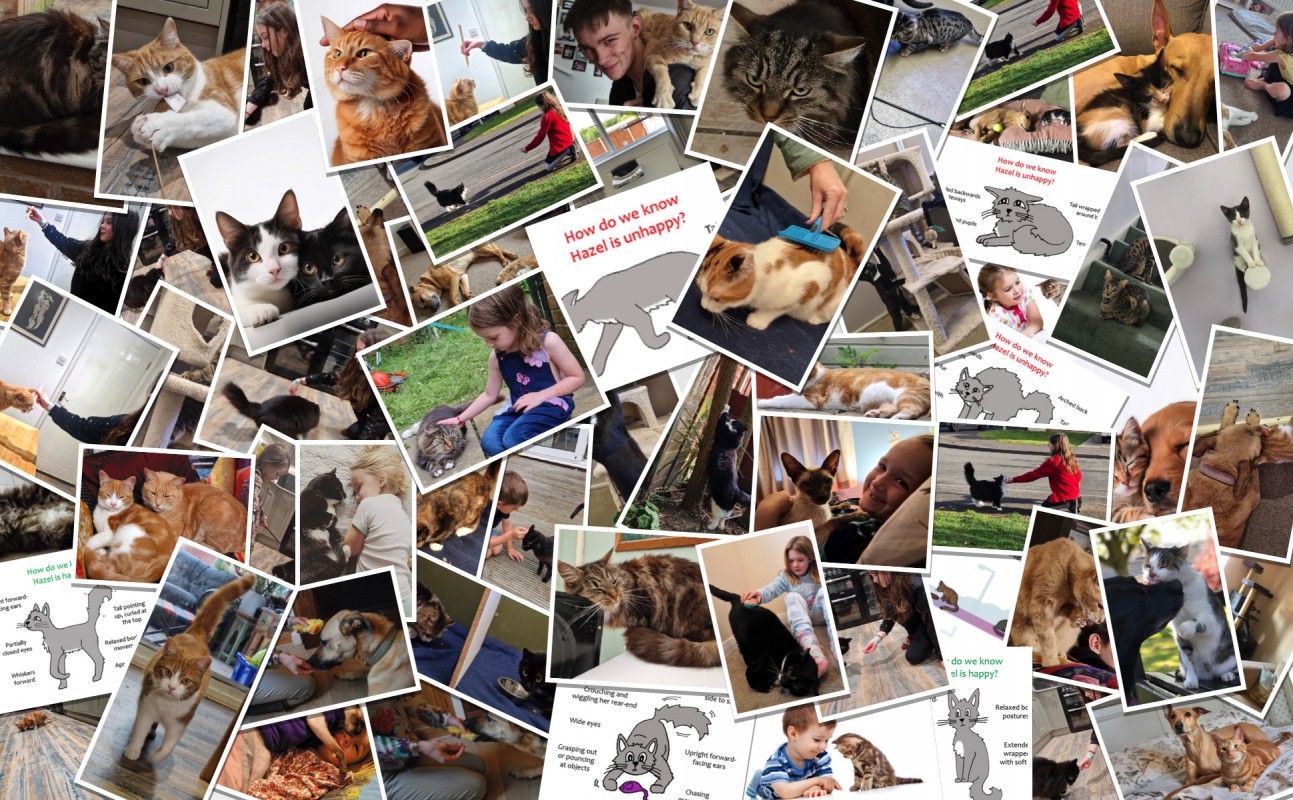
Melissa - My favourite chapter is Chapter Two, as I love all things behaviour and also love a good descriptive figure. However, I also love the assessments that we provide throughout the final three chapters that allows readers to assess their own cats, dogs and children and provides personalised guidance on the best approach to take to achieve success.
Becky - The assessments are really handy and easy to use across the final three chapters but I find Chapter Five being my favourite. So many people feel that pets are a positive addition to childhood experiences but it is so important to get it right for both parties. When it works it really is so special and I hope this chapter helps support this for many people.
What was your route into animal welfare & behaviour?
Melissa – As a child I lived in Hong Kong and had two hamsters called Bubble and Squeak. Throughout my time overseas I desperately wanted a dog but my parents insisted that we needed to wait until we got back to Britain when we would have our own garden. After arriving in Yorkshire we ended up rescuing two cats, six guinea pigs, two mice, four hamsters and of course I got my collie cross called Jake. My love for animals only increased from that point onwards, and my intrigue about animal behaviour grew which resulted in my academic journey. Over the years, I hope that I have passed on my passion for this subject to my students, and hopefully our book will do the same and help others understand their feline companions better.
Becky - I've always loved animals, as anyone in my family would tell you. Cats have always been core to my life, from a stray giving birth in my family living room when I was a toddler, to my current hand-reared pair with genetic conditions. At school becoming a vet seemed like my only career option, but when I realised A-level maths was not for me I delved deeper and began my education into Animal Management. I've always had a desire to help others, so I began volunteering in various capacities at different animal welfare organisations. This led me to becoming a Trustee and working in academia, improving my own skills and knowledge whilst passing this directly on to my students over the years.
What inspired the creation of The Sociable Cat?
Over the years we have had a lot of questions from people who have dogs and wanted cats or who already had cats and wanted dogs, and whether they should or could rehome the opposing species. Many people would worry about distressing their current companions and didn’t want to risk causing upset within the household.
This is what initially made us realise that there was a gap in the market for a practical guide that would provide people with assistance on whether to rehome, based on individual needs, and how to go about the introductions. We also realised that there were a lot of cats living with babies and children who were demonstrating problematic behaviour or nervousness around them, and therefore we wanted to provide exercises on how to reduce their fear and improve overall household harmony. The book is not about forcing sociability but about creating confidence in our cats and in the other members of the household.
What is the most challenging thing about working with feline behaviour?
Melissa - It is difficult to make generalisations about any species and in particular felines. All individuals are very unique and what may work for one cat will not necessarily work for another, therefore making any kind of predictions and providing general advice can be difficult. An individual, and their behaviour, can also notoriously differ from one day to another so it is important to have a good understanding of cats and always have your wits about you.
Becky - Public perceptions of cats can be a challenge. Some people don't see them as important compared to the dogs in our society, and therefore it can be hard to encourage people to adapt or change.
What makes up for the challenges?
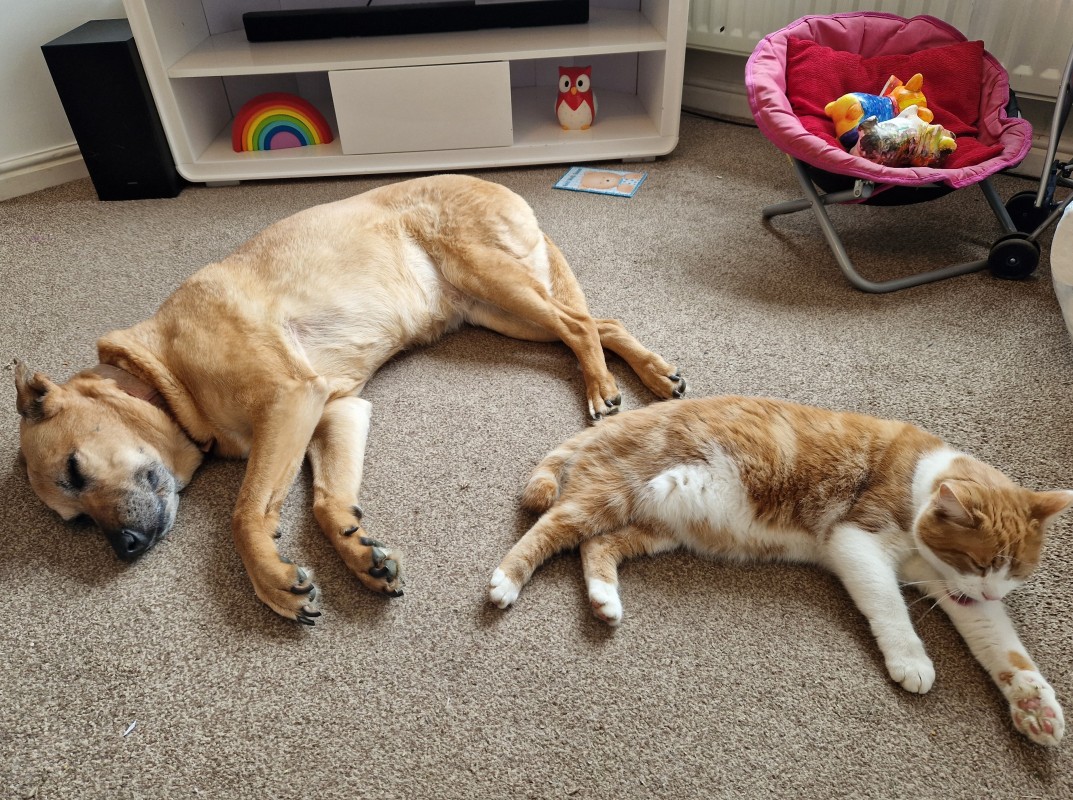
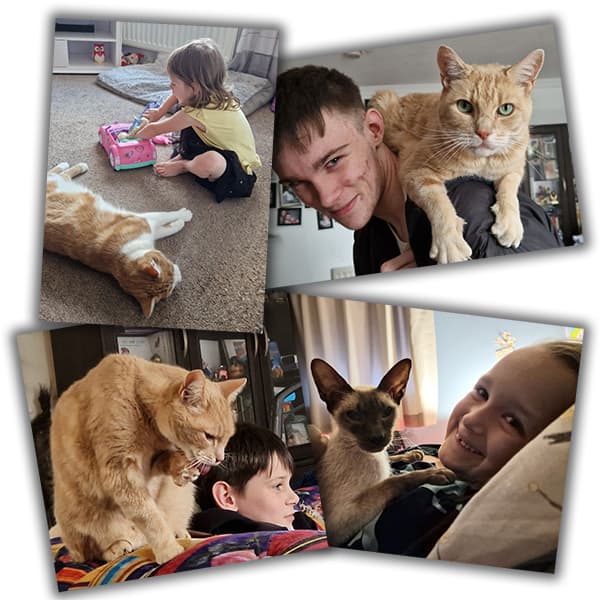
Cats are amusing, fun, interesting and caring. You can have strong bonds with cats, with individuals varying from cuddly creatures to more aloof but amusing characters. They keep you on your toes and you feel very much privileged to have them choose to be in your presence. Some of our cats choose to interact more with our dogs, snuggling up and following each other around, whereas some of our other cats are more independant and choose to chill with the teenagers on their beds. Then there are the crazier cats who enjoy to interact and chase each other, or are happy to get involved with the next new game created by our younger children. Sociability and preferences will look different for every individual and they can make incredible companions in all forms.
What do you think the “Next Big Thing” in feline training will be?
Feline training is often focused on enrichment, and most things that we train other animals to do we can also train our cats to do such as recall training, clicker training, and agility. Scent training is something that could be used for cat enrichment, but it is whether they see the value of being involved in such a game, as although some cats are very sociable it does not mean they value social games such as scent training like dogs do.
There is some important training that should be undertaken with cats, however, such as basket/carrier training which involves making entering and being in a cat carrier a positive choice. This is important practical training that reduces fear, so although it is not necessarily new it should be a priority. Building resilience, confidence and adaptability, by carrying out some of the exercises within our book should also be things that we focus our time on as cat owners.

What is your favourite trick or animal behaviour to teach?
A recall is so useful, and although it is particularly important for safety with dogs, it can also be useful for cats to learn. With cats, recall is often taught using respondent conditioning without people intending to train it, and this technique should be promoted more with dogs as it can be more simple but as effective. Rather than focusing purely on teaching particular behaviours or tricks we should focus, where possible, on maintaining relaxed and calm behaviour and encouraging correct choices. Our focus should be on teaching and encouraging confidence, adaptability and resilience which is a lot more valuable for our cats in society, as well as for our dogs and children. Some of our exercises throughout will assist with doing this.
Who (dead or alive) would you invite to the perfect cat show?
Although we do not actually attend many cat shows personally, if we were to attend one we would invite Freddie Mercury as he was an amazing performer and would always put on unforgettable shows himself, but he was also a huge cat lover. In addition he was in a band named ‘Queen’ which is also what female cats are known as, so of course the invite would extend to the whole band.
What advice would you give to your beginner self?
Melissa - Find the fun in life and enjoy the little things. Stay focused in what you want to achieve, create a to-do list and then re-write it when prioritise change (and then possibly re-write it again), and don’t let anyone make you feel like you are not worthy. Value yourself but also value others that you love.
Becky - Don't sweat the small stuff and concentrate on what you can have influence over. Focus on your loved ones and always be the one to celebrate others, positivity breeds positivity!
In one word, how would you describe this book?
Essential
Ready to build a better relationship with your feline friends, and introduce harmony to your household at a fraction of the cost of a trainer? Preorder The Sociable Cat today at the link here.