

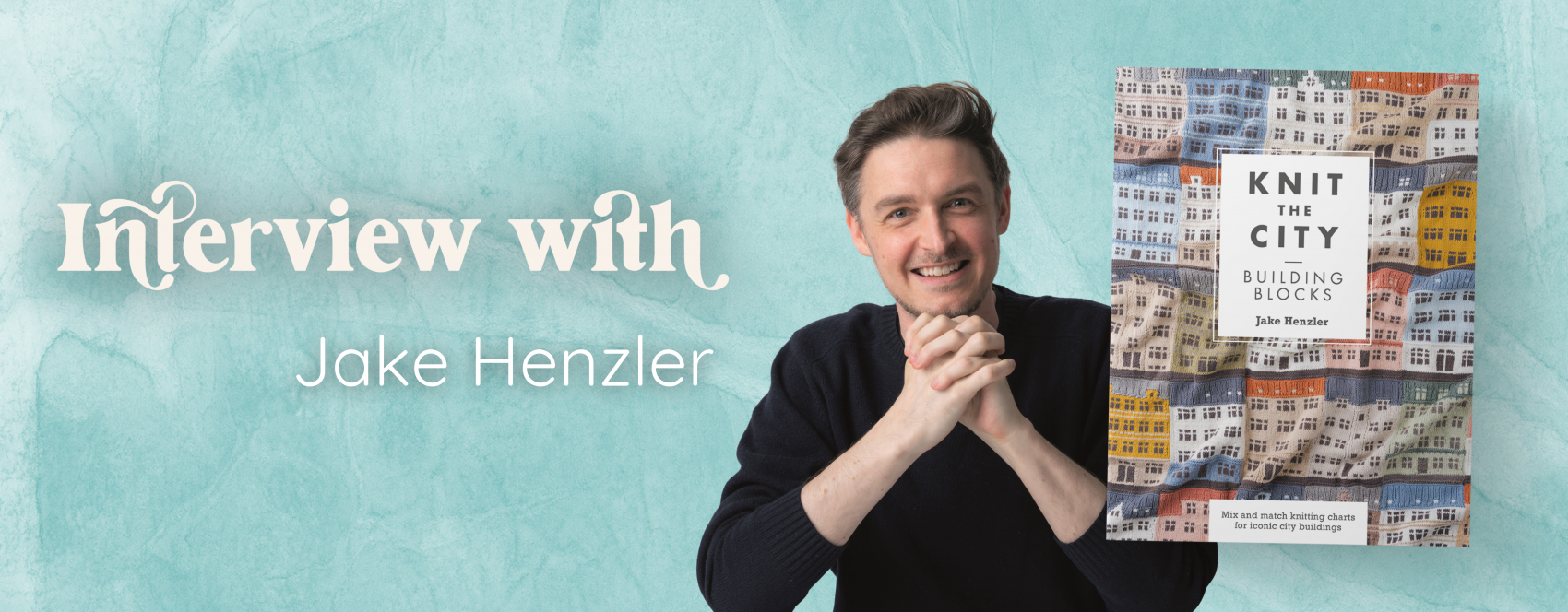
Meet Jake Henzler, Author of Knit The City Building Blocks!
Do you want to travel the world from the comfort of your favourite knitting chair? With Knit the City Building Blocks, you can do just that - and have a range of gorgeous accessories and homeware to show for it!
This fun book appeals to worldly knitters of all abilities with a collection of stranded colorwork and intarsia knitting charts to make buildings inspired by the iconic architecture of famous cities around the globe; not only that, but the modular designs allow you to mix-and-match elements to create your own dream buildings!
As crafters all over the world pick up their needles and yarn to create their own one-of-a-kind city breaks, we sat down with author Jake Henzler, known on social media as Boy Knits World, to talk about the creative process that went into this stylish book; read on to discover where he finds inspiration, his top tips for beginner knitters and more...
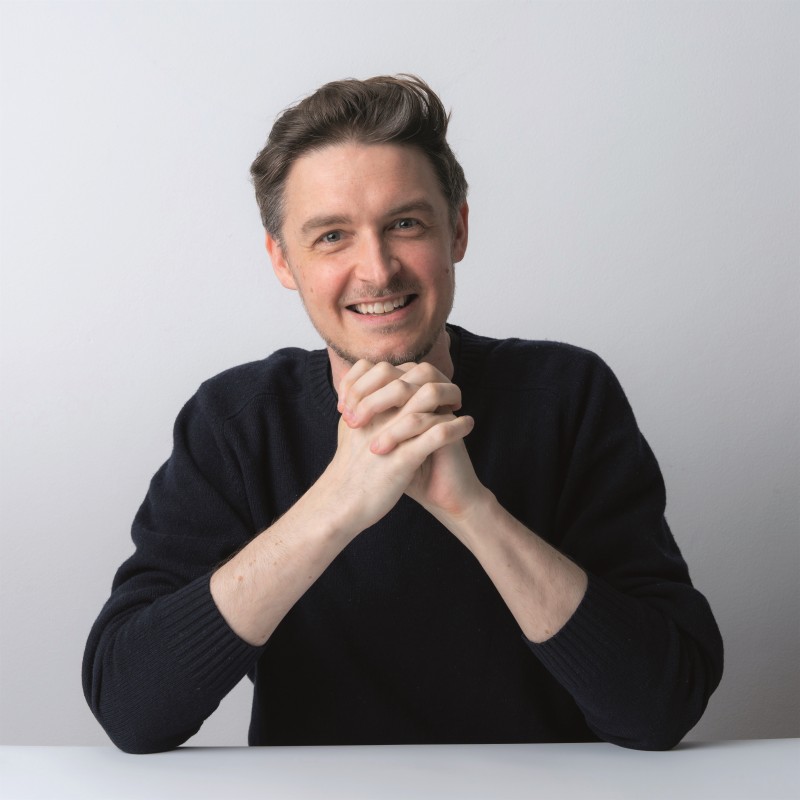
Tell us a little about yourself.
I’m a knitting designer and fibre artist based in Sydney, Australia. I’ve been creating knitted work for just over 20 years, and I enjoy making character pieces, ornaments and illustrated landscapes and cityscapes. There’s always an element of play or playfulness in the visual style of my work, I think because I want the pieces to reflect the pleasure I take in making them.
I like drawing inspiration from a range of sources, often including folk art traditions and art culture. One of the best qualities of knitting as a medium is its reproducibility, but I also like seeing and creating work that offers something new. That often means a lot of time spent refining, which requires a slow pace of work. I’m in awe of knitters who can work quickly.
Tell us a bit about Knit the City Building Blocks.
The book contains patterns for designing and knitting your own unique projects based on the iconic buildings of seven cities around the world - Copenhagen, Amsterdam, New York, Paris, Sydney, London and Prague. There are three core building designs for each city, plus a double-spread of extra components. All of the components are modular, so once you’re done making the first three blocks, you can begin mixing and matching windows, roofs and balconies to create your own new facades. The blocks are all relatively quick to knit, and coming up with new combinations can get quite addictive. I hope everyone has as much fun playing with these designs as I have.
What inspired you to write this unique book?
In 2017 and 2018 I spent 12 months living in Copenhagen, and its beautiful, ordered architecture kept calling me to make something. I had previously made a number of patchwork quilts and I had recently learned colourwork knitting, so eventually I fixed my sights on the idea of making a souvenir blanket to remember my time in Denmark. Since then I’ve worked on a range of other city building block patterns, and I wanted the book to be a compilation of some of my designs in this style of colourwork.

What is the one thing readers can find in Knit the City Building Blocks that they won’t find in any other knitting book?
Most importantly, the designs and the concept itself. I hope all readers will be inspired to make their own unique projects from the book that help them to remember other times and places.
On a more practical note, I haven’t seen another knitting book with diagrams on how to use Bickford stitch to sew knitted panels together side-by-side. It’s a sort of sibling to mattress stitch, and it really won’t be unique to Knit the City, but it’s a useful technique to know.
Do you have a favourite project from the book?
It’s not really fair to pick favourites, but Copenhagen was my first building blocks design and it still transports me back to the year I spent living there. I worked slowly on the blocks and collected different colours of cotton in the places I travelled, so it was part companion project and part diary. All of the other designs in Knit the City were only possible because of the Copenhagen blanket, so it will always be very dear to me.
Which city in the book was the most challenging to design?
Prague has the most detailed blocks and some of the most unusual features, and making the designs reflect real buildings without overcomplicating the detail took a lot of trial and even more error. The doors and windows inside the ground-floor arches were a design feature I hadn’t used before, and I had to play around with multiple formats before I landed on proportions I was happy with.

What new skills do you hope knitters learn from the book?
If people are new to colourwork, I hope the instructions help them to build some confidence in carrying floats and managing different strands at the back of the work. From a design perspective, I hope people are also inspired to make their own new designs with the grids.
What is your top tip for someone who is about to start their first project from this book?
Some people like buying all of the yarn they need for a whole project at once, but I think it’s a good idea with these patterns to keep it playful. If you start with only enough colours to make one block, you can use the same colours in different combinations on the next block you want to try. Exhaust all of the combinations you think work, and then start trying some new colours in the next bocks.
How do you feel when you see other people knitting your designs?
I’m always surprised and delighted by what other people make with them. The first time I saw someone had made the blocks with my patterns, I couldn’t quite understand it. So much design work is a kind of faith you hold in your head about how you’re communicating an aesthetic, so to see other people make them is a real thrill.

What is the most challenging part of being a knitter?
When you know how much you can make with knitting, there is an overwhelming number of projects you want to make, and the list keeps growing. Editing that list to a manageable queue is always a challenge.
What makes up for those challenges?
I love when a new project helps me to learn a new technique. There’s often some struggle involved, but seeing how adaptable and inventive knitters can be with simple tools is very rewarding. I recently used ‘eye of the partridge’ stitch for a sock heel flap for the first time, and it creates such a unique texture. It always feels great to produce something that at first seemed unachievable.
Describe Knit The City Building Blocks in one word.
Danes use the word ‘tjekket’ (‘checked’) to mean a checked pattern, but also to describe a kind of well-controlled sense of style. I’ve always liked the relationship between those meanings, and I hope readers will see this in the designs.
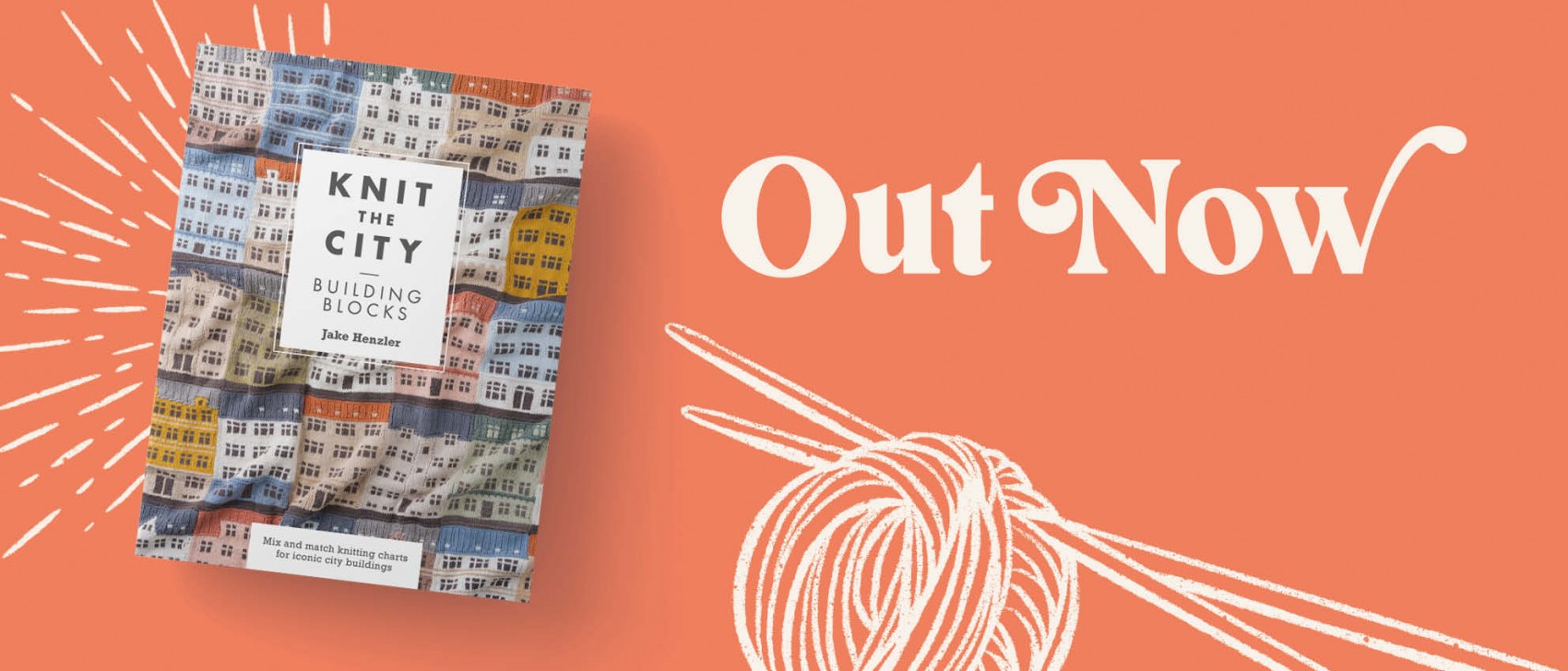
Ready to embark on your own colorwork knitting journey? The world is your oyster with Knit The City Building Blocks, available now at the link here!
About the Author

Jake Henzler
Jake Henzler is an Australian knitting designer known for his innovative and playful approach to architectural...