
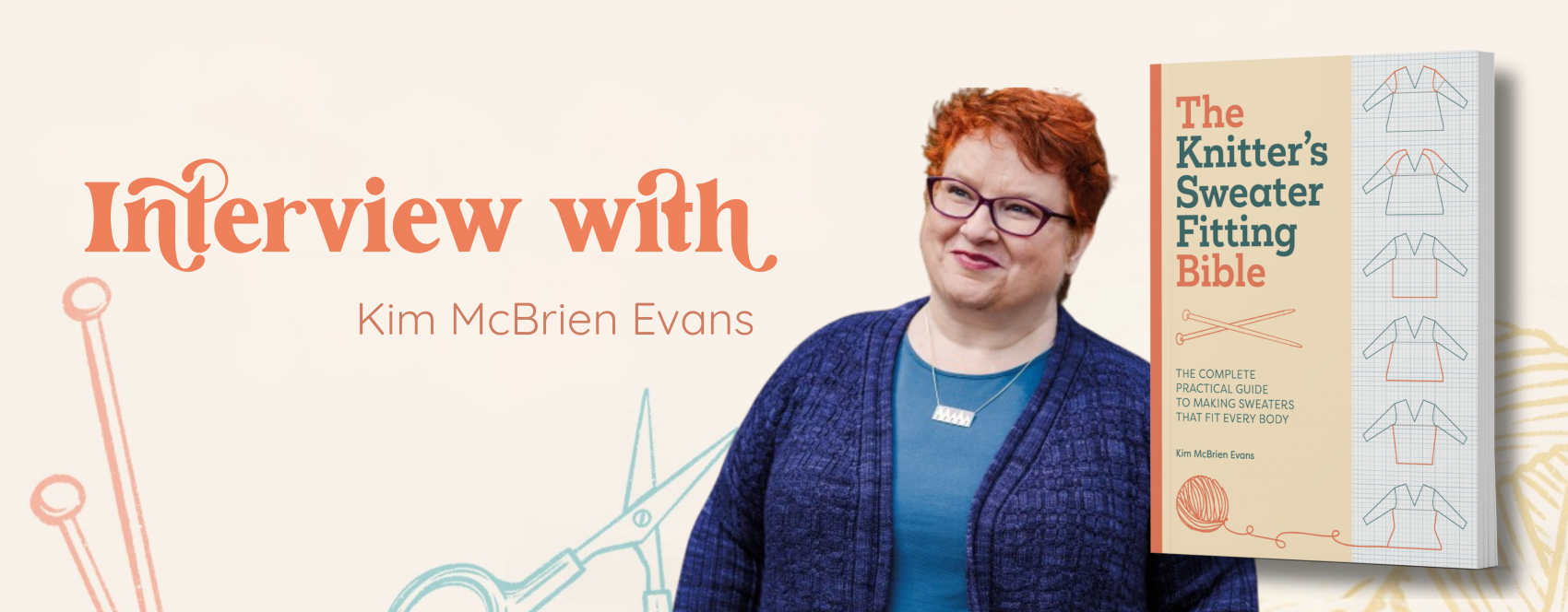
Meet Kim McBrien Evans, Author of The Knitter's Sweater Fitting Bible!
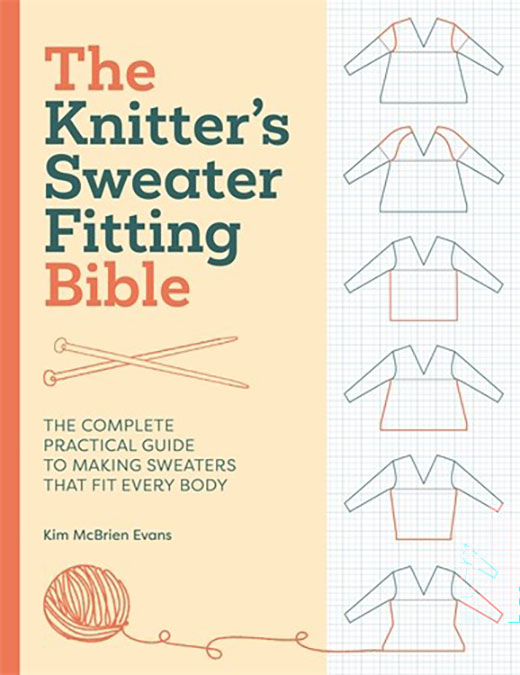
Tired of sweaters that ride up, sag, or just don't feel comfortable? With The Knitter's Sweater Fitting Bible, you can finally create garments that fit beautifully and feel amazing on your body. With clear guidance on how to take accurate body measurements, build shape and silhouette, construct sweaters, make your own alternations and more, this book is your one-stop guide to building your perfect sweater.
After the book officially hit the shelves last week, we sat down with author Kim McBrien Evans to chat about all things sweater knitting - read on to discover Kim's advice for new knitters, what you can find in her latest book, and what she anticipates for the future of knitting!
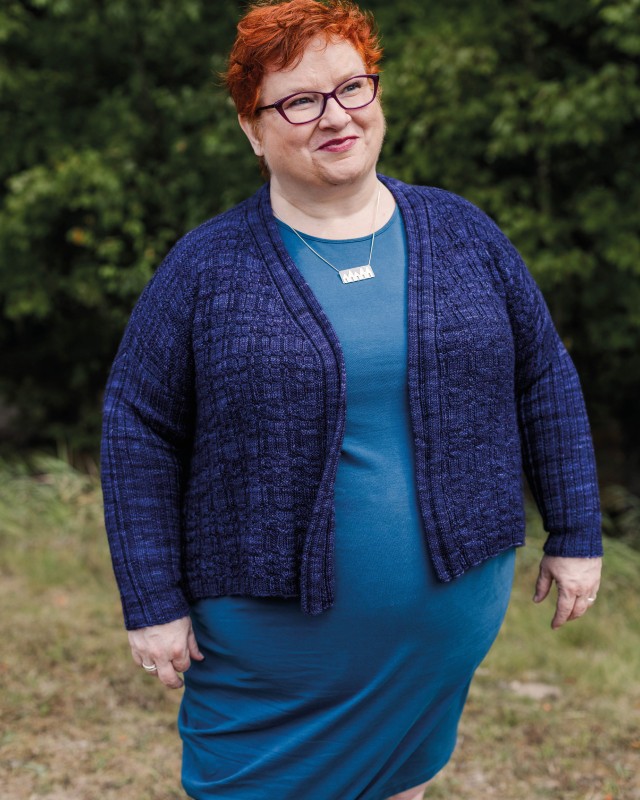
Tell us a bit about yourself.
I’m a yarn dyer (Indigodragonfly), knitting pattern designer, instructor and multifaceted fibreartist living in Ontario, Canada with my husband Ron and our two dogs, Oz and Willow. Never satisfied with following a pattern, I like experimenting with new ways of creating shapes and illusions in knitwear to stretch the limits of what is possible. By doing so, I learn how far I can push the craft of knitting and the art of fit for every body.
Tell us a bit about The Knitter’s Sweater Fitting Bible
The Knitter’s Sweater Fitting Bible combines everything I know about sweater fit with empowering tools to allow anyone in any body to get sweaters that fit THEIR body, as it is right now. It contains basics about good fit, ease, and measurements, as well as tools to help you fit existing patterns (Fixing Fit). Mix and match Sweater Style Templates allow you to build any sweater pattern to fit you in the way you like your clothes to fit, and I’ve included 9 Design Profiles to give you examples of ways to be creative with the templates.
What can readers find in The Knitter’s Sweater Fitting Bible that they can’t get elsewhere?
Incredibly detailed information about how sweater construction. There are so many ways you can change how a sweater can be shaped, and I’ve included as many as possible. The mix and match made-to-measure templates are also unique to this book. With them, you can transform any pattern to fit you well.
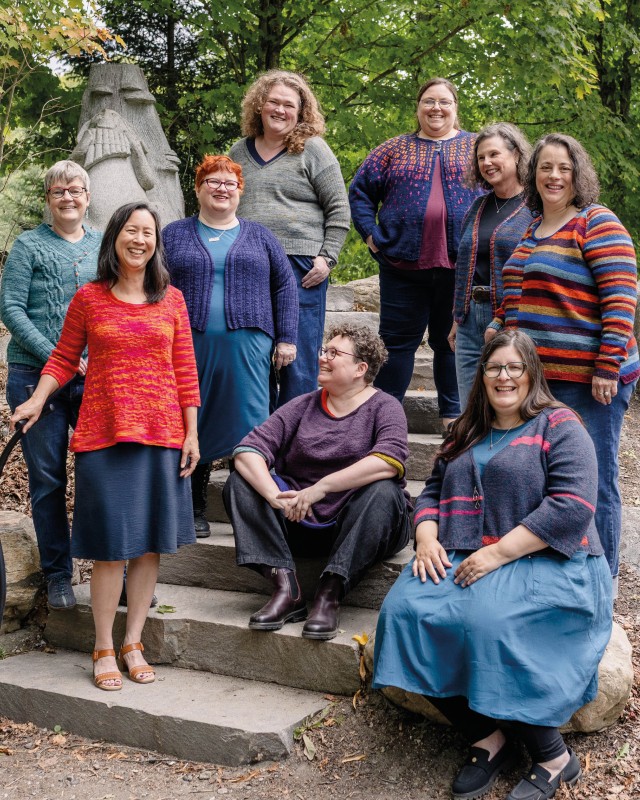
The thing I’m most proud of is that all the book models are real makers, not professional models. That’s not something we’re used to seeing in books and magazines, and I think it’s so important to see a range of bodies in them, so we made it happen!
What was your favourite pattern/ sweater Design Template to create?
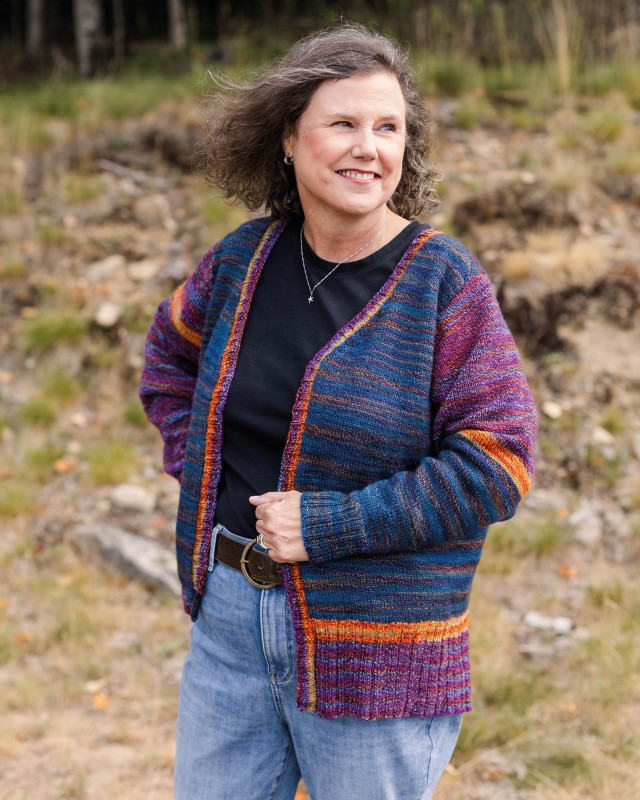
I’m not sure I have a favourite! All the book sweaters were designed with each model in mind, and that makes them all very special to me. The two I’m most proud of are Lisquid (modelled by Marit) and Café Society (modelled by Beth). Lisquid was designed to work with Marit’s post unilateral mastectomy body, and Café Society was designed to work with Beth’s limb difference. The results are sweaters they both love, and I’m so proud of both.
What is one common error that you see knitters make when working on sweaters?
The way they choose a size! And it’s not their fault. Sweaters look best when they fit well in the shoulders. Almost always pattern designers ask us to choose a size based on their full chest measurement, but all bodies are different and that method doesn’t work for most of us.
Instead, choosing a chest size based on the upper torso or high chest/bust measurement + ease gives a better fit in the shoulders. But it doesn’t end there! Unless your body measurements are identical to the ones the designer is using— you often don’t have that information--you need to also look at other measurements in the sweater schematic. The hem, waist (waist-shaped sweaters only), and bicep are all important measurements to check against your body. Sometimes the right size for you is a combination of two or three sizes.
What advice would you give to your beginner self?
It’s not hard—it’s new. Every new knitting technique is a skill you will learn, and with practice it will become easy.
How big a part, if any, does sustainability play in your work?
Sustainability can mean so many things! For me it means “how long can we keep doing ____ before we realize it’s not working?” How long can we keep using sizing standards that don’t represent most of us and continue to expect them to fit? We can’t. So my contribution to this is my ongoing research into and data collection for building more inclusive sizing charts. It’s a big part of my work—learning about body measurements and how they differ over a large range of sizes and how to respect that in learning how to fit a wide range of bodies so that my pattern writing, my teaching, and my advocacy work adapts to the world as it is now.
What do you think the “next big thing” in sweater knitting will be?
I’m seeing a shift towards customization. As knitters get discouraged with sweaters that don’t fit, they’re seeking more information about how to get a better fit. Designers have started responding to that, so it wouldn’t surprise me if we come full circle to more patterns like the templates in my book.
Describe The Knitter’s Sweater Fitting Bible in one word.
Empowering.
Are you ready to finally learn sweater knitting inside and out? Order The Knitter's Sweater Fitting Bible today at the link here!
About the Author

Kim McBrien Evans
Kimberley McBrien is a knitwear designer, teacher, and the creative force behind Indigodragonfly, a hand-dyed...